


Flex and agile working: where is the legal sector?
Becky Morgan • 20 December 2016
The legal sector has always been one of long working hours, and the constant fight to maintain a good work-life balance is no secret. When your business relies so heavily on responding to client’s needs, it’s inevitably not always easy to work remotely or have flexible start and finish times.
However, the demand for family friendly and flexible working practices in this industry is growing.
We’ve carried out extensive research, in partnership with My Family Care, and compiled a snapshot report outlining our findings into flexible and family friendly working in the Legal Sector, which you can download here.
Our key findings:
- Lawyers are less likely to be working flexibly. And in fact, private practice lawyers are even less likely to be working flexibly.
- There’s still a lot of stigma – 35% of lawyers would now feel comfortable talking to their employer about flexible working.
- Only a third of lawyers were made aware of flexible working options before they began their current job.
- Yet 81% of lawyers said that they’d actively look for flexible working options before joining a new company
Our latest insights

We hosted a roundtable in Bangkok recently. A couple of hours in, the debate was flowing and so was the wine, which in hindsight deserved more of the budget than we gave it. Then someone asked a very simple question: If an AI agent is doing a job in your organisation, who actually manages it? And who is accountable when it gets something wrong? It was probably the question from the evening that has stayed with me the most.

Laya Aoun-Hani is a partner in Baker McKenzie's EMEA International Commercial & Trade Practice Group.

Tom helps clients with Cayman Islands and British Virgin Islands law, focusing on investment funds (including hedge funds, venture capital funds and private equity funds).
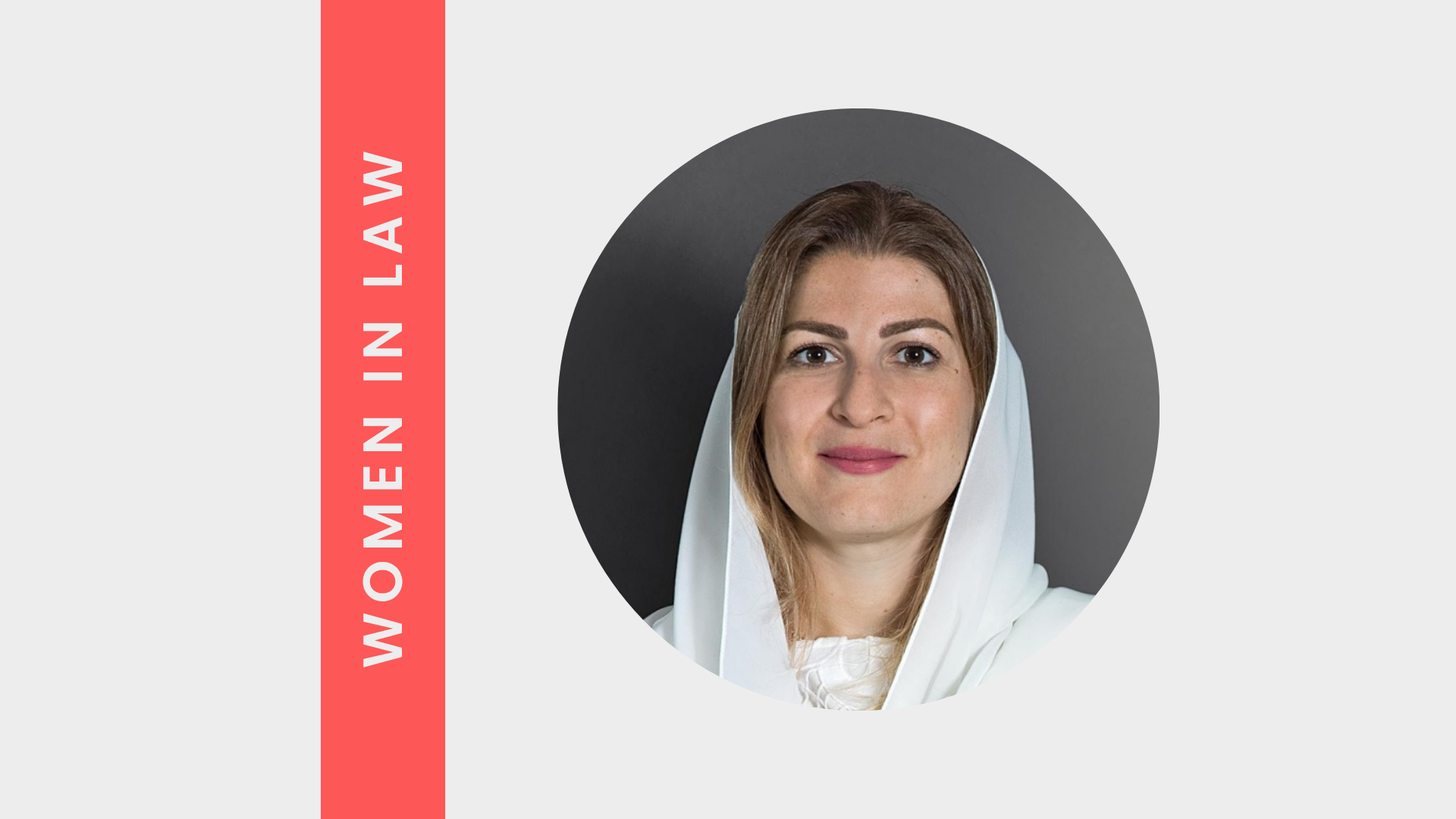
Raya Alkhatib is a highly accomplished Corporate Partner and the Head of the Corporate and M&A Practice at Bird & Bird’s Riyadh office. She offers sophisticated, market-leading counsel on a comprehensive range of corporate matters for both international and local clients.